
Gaming’s Midsummer Massacre Triggers the Industry’s First Mass Walkout
A brutal wave of layoffs — led by 3,200 cuts at Microsoft’s Xbox — has gutted studios from id Software to Bethesda. On July 15, game workers answered with the industry’s first coordinated multi-studio walkout.
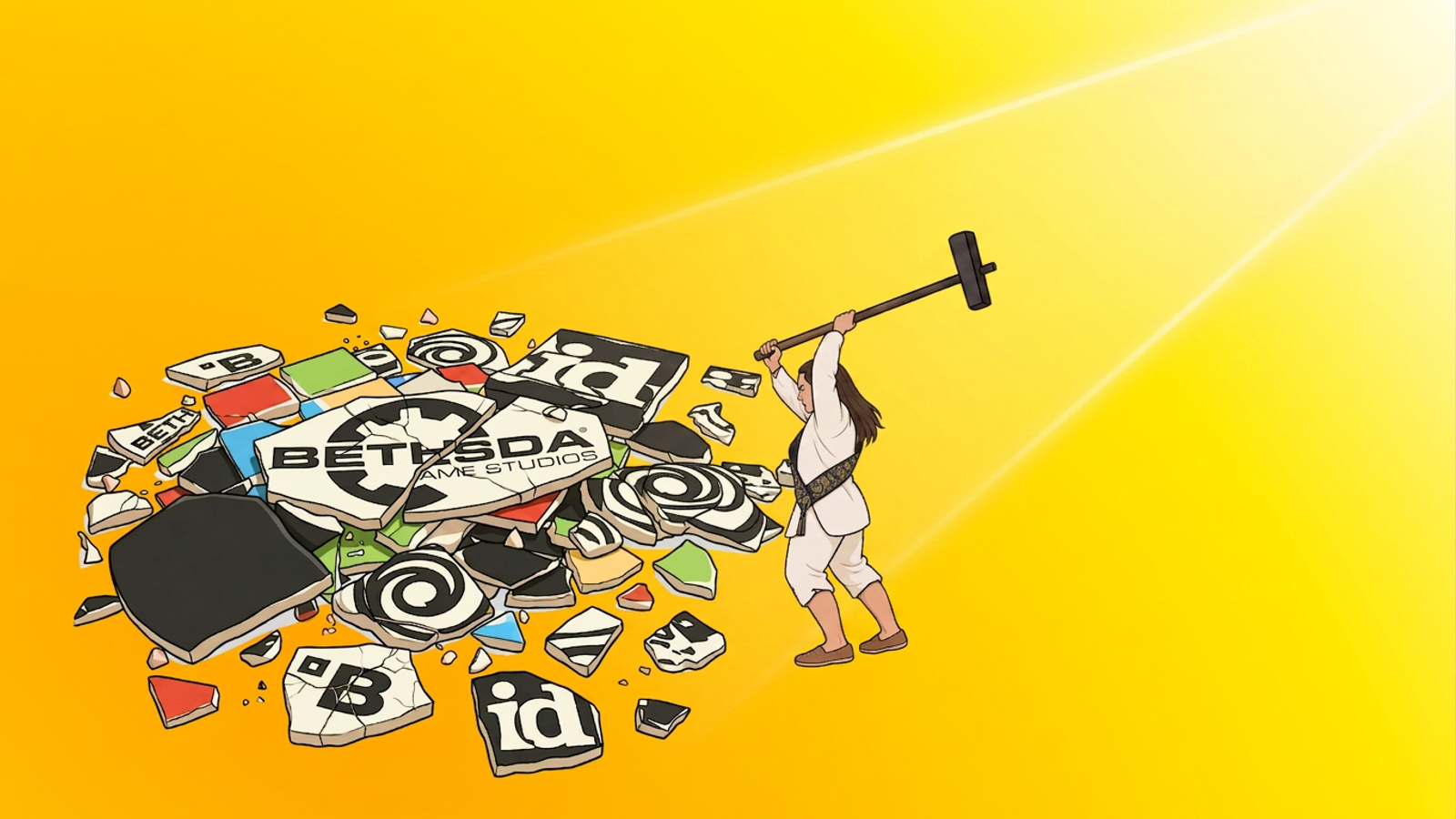
In the space of a few weeks this summer, the video-game industry shed thousands of jobs — and, for the first time, its workers walked off the job together to protest. On July 6, Microsoft confirmed roughly 4,800 cuts company-wide, including 1,600 immediate layoffs at its Xbox division and 1,600 more to come — 3,200 gaming roles over the fiscal year.
Xbox CEO Asha Sharma called it “the most significant restructure in Xbox history,” pointing to a division she said was losing 64 cents on every dollar invested in first-party studios. Developers, unions and players have another name for the season: the Midsummer Massacre.
How the month unfolded
- June 10 — Xbox leadership circulates a “reset” memo warning that the current path “cannot continue.”
- June 24–25 — Ubisoft closes its Winnipeg and Belgrade studios, cutting about 380.
- June 25 — Bungie lays off at least 292 after finishing Destiny 2 development.
- July 6 — Microsoft confirms ~4,800 company-wide cuts, 3,200 of them at Xbox.
- July 15 — “Save Our Devs” walkouts hit six studios; unions file charges with the NLRB.
A month of cuts
The Microsoft announcement capped a grim run. In late June, Ubisoft closed its Winnipeg and Belgrade studios and cut some 380 staff; Bungie laid off at least 292 after wrapping Destiny 2. Then came July 6.
The damage inside Microsoft was uneven and severe. id Software lost 136 of its 185 developers — roughly half — a day before releasing new Doom: The Dark Ages content; The Elder Scrolls Online reportedly shed about half its team; Obsidian lost a quarter of its staff and nearly closed. Double Fine and Compulsion Games were spun off to independence, while Ninja Theory and Undead Labs were sold. In Montreal, some unionized workers say they learned they were gone in a three-minute call.
By the numbers
- 3,200 — Xbox roles cut over the fiscal year (1,600 immediate).
- 136 of 185 — developers lost at id Software.
- 3,500+ — Xbox workers unionized with the CWA since 2022.
- ~45,000 — game-industry jobs lost since 2022.
- 123,000+ — US tech-sector cuts in the first half of 2026.
‘Save Our Devs’
On July 15, workers answered. Under the banner “Save Our Devs,” hundreds of developers marched simultaneously at six Xbox locations across four cities — the first coordinated multi-studio labor action in the industry’s history. More than 150 gathered outside the ZeniMax offices in Rockville, Maryland; hundreds more rallied at Microsoft’s Redmond headquarters; dozens stood outside id Software in Richardson, Texas.
The legal fight
The same day, the Communications Workers of America and CWA Canada filed joint Unfair Labor Practice charges with the National Labor Relations Board against Microsoft and subsidiaries including ZeniMax, Bethesda Game Studios and id Software. The unions allege the company fired unionized developers without required notice, withheld information from worker representatives, and skipped mandatory bargaining.
More than 3,500 Xbox workers have unionized with the CWA since a 2022 neutrality agreement — but their protections are uneven. Studios with ratified contracts, such as ZeniMax and Blizzard QA teams, secured advance-notice, recall and severance terms; those still bargaining a first contract, like id Software’s workers who organized only in December, have far less to fall back on.
What’s driving it
Executives blame economics — thin margins, an over-extended bet on live-service games, and a hardware squeeze developers have dubbed the “RAMpocalypse,” as AI data centers drive up the cost of memory. Critics point to Microsoft’s own acquisition spree, including the $69 billion Activision Blizzard deal, and to a broader pattern: US employers announced more than 123,000 tech-sector cuts in the first half of 2026, with the outplacement firm Challenger, Gray & Christmas citing AI as the leading driver for a third straight month.
A lineage of walkouts
Gaming came late to organized labor, but it is joining a well-worn path. When Google employees walked out in 2018 over harassment payouts, it startled an industry that assumed its workers would never organize; when Hollywood’s writers and actors struck in 2023, they forced AI protections into their contracts. Gaming’s July 15 action is smaller, but it rhymes — a creative workforce, long told that instability is the price of making things people love, deciding the price is too high.
Where things stand
The NLRB charges could take months to resolve, and Microsoft has said the restructuring will run into the next fiscal year. What changed this month is not the layoffs — the industry has bled an estimated 45,000 jobs since 2022 — but the response. For the first time, game workers who once absorbed the cuts in silence walked out together. Whether that solidarity slows the next round, or merely names it, is the question the fall will answer.